Cowboy Heart: The Handwritten Font with Rustic Charm
Finding a font that feels genuinely personal can be a challenge in a world saturated with clean, geometric typefaces. Cowboy Heart steps into that space, offering a handwritten aesthetic that carries warmth and character. It’s not just another script font; it’s a tool for adding a human touch to your projects, whether you’re jotting down a quick note or crafting a brand identity. This typeface captures the essence of casual, heartfelt writing, making it a versatile asset for designers, entrepreneurs, and creators looking to connect on a more personal level.
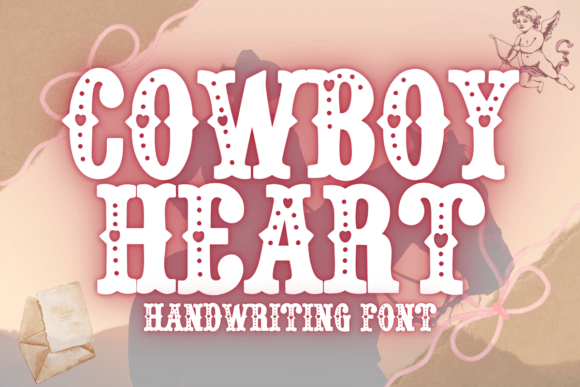
Visually, Cowboy Heart presents a relaxed, flowing style. The letterforms have a natural, slightly uneven baseline and varying stroke weights, mimicking the organic movement of a pen on paper. It avoids the overly polished look of formal calligraphy, instead embracing a friendly, approachable vibe. This handwritten font doesn’t shout for attention; it invites the reader in with its authenticity. Its personality is suited for projects that aim to feel sincere, nostalgic, or simply human. Think of it as the typographic equivalent of a handwritten note passed between friends—immediate, personal, and full of feeling.
Where Cowboy Heart Truly Shines
The practical applications for a creative font like Cowboy Heart are extensive, bridging the gap between personal projects and commercial design. Its strength lies in contexts where a personal connection is paramount. For instance, it’s an excellent choice for greeting cards, invitations, and personal stationery, where its handwritten quality enhances the intimate message. Small business owners can leverage it for product packaging, especially for artisanal goods, handmade items, or boutique brands where a crafted feel is part of the story. Imagine a candle label, a jam jar tag, or a bakery’s menu board rendered in Cowboy Heart—it instantly communicates care and attention to detail.
In the digital realm, this typeface adapts beautifully. It can be a standout choice for social media graphics, particularly for quotes, announcements, or behind-the-scenes content where a brand wants to appear approachable and real. For bloggers and content creators, using Cowboy Heart for pull quotes or section headers can break the monotony of body text and guide the reader’s eye with a touch of personality. However, it’s crucial to consider context. While perfect for a headline on a wedding website or a call-to-action on a landing page promoting a workshop, it would likely struggle as the primary body text for a lengthy article due to readability concerns at small sizes.
Making Informed Design Choices with Cowboy Heart
Integrating any premium font into a project requires thoughtful evaluation. First, consider your project’s core message and audience. Cowboy Heart’s rustic, handwritten style pairs exceptionally well with other organic elements. A strong font pairing strategy is key. Try combining it with a clean, neutral sans serif font for body text to ensure maximum readability and create a pleasing contrast. For example, a simple geometric sans serif can ground the more expressive Cowboy Heart, creating a balanced and professional layout. Avoid pairing it with other highly decorative or script fonts, as this can lead to visual clutter and compete for the viewer’s attention.
Before finalizing, always test the font in context. Check its legibility at the sizes you intend to use it. How does it look on a mobile screen versus a printed brochure? Review the full character set and any included alternates or ligatures—these can add valuable variety to your designs. If you plan to use Cowboy Heart for logo design or on merchandise like mugs, shirts, or banners, confirming the commercial licensing is a non-negotiable step. Understanding the terms ensures your project, whether personal or commercial, is legally sound. Ultimately, Cowboy Heart is a valuable tool in a designer’s toolkit, best used where its authentic, handwritten charm can enhance the human story you’re trying to tell.