Spruce: The Slab Serif That Commands Attention
There's a particular kind of confidence that comes from a typeface that knows exactly what it is. Spruce doesn't whisper or tiptoe around its message—it arrives with authority, grounded in the traditions of slab serif design while carrying a distinctly modern sensibility. This is a font built for moments when you need your words to land with impact, whether that's on a magazine cover, a product label, or a website hero section that stops someone mid-scroll.
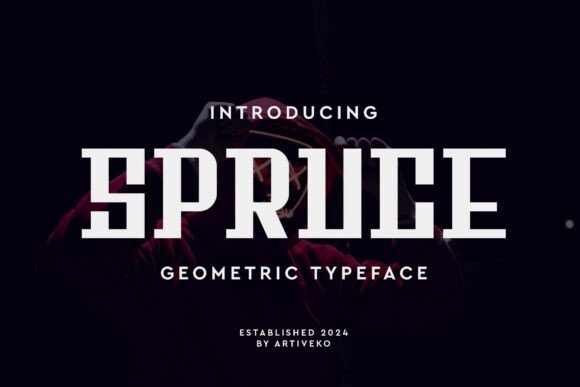
At its core, Spruce is a premium font defined by its thick, block-like serifs and carefully balanced letterforms. Those sturdy horizontal strokes at the ends of each character aren't just decorative—they create a visual rhythm that anchors text to the page or screen. The letterforms themselves maintain generous proportions and consistent stroke widths, which gives Spruce its signature readability even at smaller sizes. Yet despite its structural solidity, the typeface avoids feeling heavy or dated. There's a crispness to the curves and terminals that keeps it feeling contemporary, like a well-tailored jacket that respects tradition but fits the current moment.
Where Spruce Finds Its Voice
Understanding where a display font like Spruce performs best starts with recognizing its personality. This isn't a typeface that fades into the background of a body text block. It's designed to lead—to establish hierarchy, set tone, and make an immediate impression. That makes it exceptionally well suited for headline work across editorial design, where a strong opening line needs to pull readers into an article or feature. Think magazine spreads, blog headers, and book chapter titles where visual drama matters.
For brand identity projects, Spruce offers something genuinely valuable: instant recognition. A logo design built on a slab serif with this much character tends to stick in people's memory. The font's boldness communicates reliability and substance, which is why it works beautifully for brands in sectors like outdoor equipment, artisan food products, craft beverages, home improvement, and professional services. It suggests a company that's established, trustworthy, and not afraid to stand behind its offerings.
Packaging design is another natural home for this typeface. On a shelf crowded with competing products, Spruce's strong silhouette helps a brand name or product description pop at a glance. The thick serifs maintain legibility even when printed on textured materials or viewed from a distance, which matters enormously in retail environments where split-second decisions drive purchases. Similarly, signage applications benefit from Spruce's inherent readability—whether it's a storefront banner, event poster, or directional signage at a conference.
The Practical Side of Choosing a Bold Serif
Every creative font carries trade-offs, and being honest about them is part of good design practice. Spruce excels as a headline and display typeface, but it's not the right choice for long-form body copy. Its bold weight and pronounced serifs can create visual fatigue when readers encounter them in large blocks. The sweet spot is using Spruce for short, high-impact text—titles, subheadings, pull quotes, call-to-action buttons, and key messaging—while pairing it with something more restrained for extended reading.
Speaking of font pairing, this is where thoughtful designers can really unlock Spruce's potential. A clean sans serif font creates a classic contrast that feels professional and balanced. Try pairing it with something geometric for a modern look, or something with humanist qualities if you want warmth. For projects with a more editorial or sophisticated tone, a complementary serif font with lighter weight and different x-height can create beautiful tension. Even a script font or handwritten font can work alongside Spruce in the right context—think wedding invitations or boutique branding where you want to mix authority with approachability.
Before committing to any commercial font, it's worth doing some homework. Look at the full character set and included styles. Does the typeface offer multiple weights, italics, and extended language support? Check the licensing terms carefully, especially if you're planning to use it across web design, print materials, and social media graphics. Some licenses cover all these applications; others require separate purchases. This matters for small business owners and entrepreneurs who need clarity on what they can and can't do with their design assets.
Making Spruce Work Across Different Projects
The versatility of a well-designed slab serif often surprises people. While Spruce has a strong personality, it adapts to different creative contexts in ways that might not be immediately obvious. For a minimalist web design, a single weight of Spruce used only for headings can add just enough visual interest without cluttering the layout. In a maximalist packaging project, multiple weights and sizes of the same typeface can create a rich typographic hierarchy that feels cohesive rather than chaotic.
Content creators and bloggers often overlook how much a consistent typeface choice strengthens their brand. Using Spruce across your blog headers, Pinterest graphics, YouTube thumbnails, and email newsletters creates a visual thread that audiences begin to associate with your work. That consistency builds recognition over time, which is one of the most valuable things a brand identity can achieve. It's not about being flashy—it's about being memorable and professional in a space where both qualities set you apart.
For entrepreneurs developing product lines, consider how Spruce might carry across an entire ecosystem of touchpoints. The same typeface that anchors your logo can reinforce your packaging design, your website headers, your social media graphics, and even your business cards. When a customer encounters your brand on Instagram and then sees the same typographic voice on a physical product, that repetition creates trust. It signals intentionality and professionalism—qualities that influence purchasing decisions more than most people realize.
Readability, Hierarchy, and Getting the Details Right
Good typography isn't just about choosing the right typeface—it's about using it well. With a bold display font like Spruce, pay attention to letter spacing and line height. Tight tracking can make headlines feel cramped and harder to read, especially on screens. Give the letters room to breathe, and they'll reward you with clarity. Line height for multi-line headlines should be slightly more generous than you might initially expect, particularly at larger sizes where the thick serifs need visual space.
Visual hierarchy becomes intuitive once you internalize how weight and size interact. Using Spruce at a large size for your primary headline, a medium size for subheadings, and reserving it entirely for those roles creates a clear reading path. Your audience knows instantly where to look first, what to read next, and which information is supporting detail. That clarity isn't just aesthetically pleasing—it's functional. It reduces cognitive load and keeps people engaged with your content longer.
Color contrast deserves attention too. Spruce's bold construction means it holds up well in reversed-out applications—white or light text on a dark background. It also works beautifully in traditional dark-on-light arrangements. The key is ensuring sufficient contrast ratios for accessibility, which is both an ethical responsibility and a smart design practice. A typeface this strong deserves to be seen clearly by everyone.
Final Thoughts on Working with Spruce
Choosing a creative font is ultimately about alignment—finding a typeface whose personality matches the story you're trying to tell. Spruce speaks to strength, clarity, and modern confidence. It's the right choice when your project needs a voice that's assertive without being aggressive, structured without being rigid, and bold without sacrificing sophistication. Whether you're designing a brand identity from scratch, refreshing an editorial layout, or creating packaging that needs to compete on a crowded shelf, this slab serif brings a combination of presence and practicality that's genuinely hard to find in modern typography.
Take the time to test it in context. Set your actual headlines, not just sample text. View it at the sizes you'll actually use. Check how it looks on the screens and in the print formats your audience will encounter. The best design decisions come from real-world evaluation, not just admiration of a specimen sheet. When you do that work upfront, a typeface like Spruce becomes more than a design asset—it becomes a reliable creative partner that strengthens everything you make.