American Typewriter: The Font with Authentic Handwritten Soul
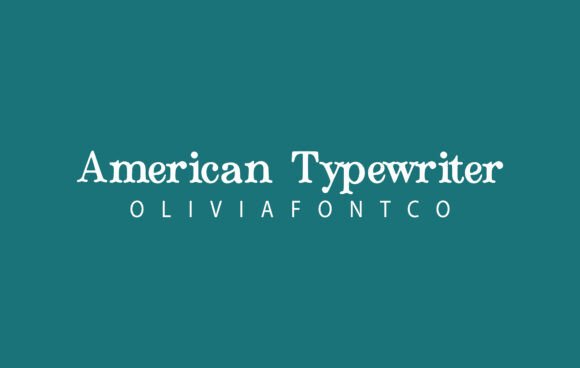
There’s something immediately familiar and inviting about a design that uses American Typewriter. It doesn’t shout for attention with sharp, cold edges. Instead, it draws you in with a warmth that feels both personal and professional. This isn’t just another serif font; it’s a typeface with a distinct personality—a character born from the rhythmic clatter of typewriter keys but softened by a human touch. Its slightly uneven letterforms and gentle, rounded terminals give it an authentic handwritten quality, a romantic whisper that sets it apart from the more rigid faces in your design toolkit.
At its core, American Typewriter is a premium font that masterfully bridges the gap between nostalgia and contemporary design. It possesses the sturdy, readable skeleton of a classic serif font, making it exceptionally legible for body text in longer documents or articles. Yet, its true magic lies in that subtle, organic imperfection. Each character seems to have been individually pressed, carrying the slight variations of a real inked impression. This duality allows it to function beautifully as both a reliable display font for headlines and a comfortable companion for extended reading. It’s a creative font that doesn’t sacrifice utility for style.
Where This Typeface Truly Shines: From Wedding Vows to Brand Manifestos
The versatility of American Typewriter is one of its greatest strengths. It’s a design asset that feels equally at home in deeply personal projects and polished commercial work. Imagine it gracing the header of a wedding invitation, its gentle curves echoing the elegance of a handwritten note while maintaining perfect clarity. It lends an air of thoughtful craftsmanship to greeting cards and personal stationery, making any message feel more considered and intimate.
For businesses, this font is a powerful tool for shaping brand identity. A boutique coffee shop might use it for its menu and signage to evoke a cozy, artisanal atmosphere. A lifestyle blogger could employ it across their social media graphics and website to build a consistent, approachable, and authentic voice. In editorial design, such as magazine features or book covers, American Typewriter excels at creating compelling magazine headlines that are both stylish and easy to read. It can add a touch of journalistic integrity or vintage charm, depending on the context and pairing.
Think about packaging design for a craft product or a gourmet food item. Using this typeface on labels and boxes can instantly communicate quality, tradition, and a hands-on ethos. It suggests that care and attention went into the product itself. For logo design, it offers a unique alternative to more common scripts or sans serifs, providing memorability without sacrificing professionalism. The key is understanding its personality—it’s friendly, reliable, and slightly retro, making it perfect for brands that want to feel human and trustworthy.
Mastering the Use of American Typewriter in Your Projects
Successfully integrating American Typewriter into your work involves more than just selecting it from a menu. It requires a thoughtful approach to ensure it enhances your project’s goals. First, always evaluate the project fit. Is the overall tone one of warmth, authenticity, or classic elegance? If so, it’s likely a great candidate. For projects demanding ultra-modern, geometric precision or stark minimalism, a different sans serif font might be more appropriate.
Next, consider font pairing. Because American Typewriter has such a strong character, it often benefits from a clean, simple companion. A neutral, geometric sans serif font for body text can let the headlines in American Typewriter stand out without creating visual clutter. Conversely, pairing it with a delicate script font can create a beautiful, layered hierarchy for formal invitations. Always test your pairings at the size they’ll be used to check for balance and readability.
Take time to review the included styles. Most professional versions of this commercial font will come with regular, bold, italic, and sometimes condensed or extended versions. Understanding the full family allows you to create nuanced visual hierarchy within a single design, using weight and style to guide the reader’s eye. Pay special attention to how it renders on screen for web design versus how it prints. Its textured quality can sometimes lose definition at very small sizes or on low-resolution screens, so always test.
Finally, be mindful of licensing. If you’re using it for a client’s logo, a product you sell, or a website, ensure you have the correct commercial font license. This protects you legally and ensures the font’s designers are supported. The right license is part of the professionalism that a great typeface like American Typewriter brings to your table. When used with intention, this font does more than just present words; it communicates a feeling, builds a connection, and elevates the entire design into something memorable and effective.