Wedding Romantic: Where Floral Frames Meet Classic Serifs
The Anatomy of an Elegant Typeface
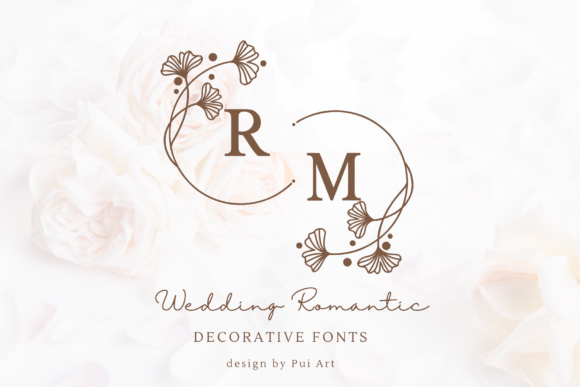
When you first encounter Wedding Romantic, you immediately notice it is not just a standard serif typeface. It is a sophisticated decorative font that bridges the gap between traditional typography and illustrative art. At its core, the font features clean, classic serif characters. This structure ensures that the letters remain legible and grounded, avoiding the chaotic looping often found in purely handwritten styles. However, the defining feature of this creative font is the intricate floral embellishment that frames every uppercase letter and number.
Imagine turning every letter into an instant monogram. That is the primary function of the botanical wreaths included in Wedding Romantic. The line art is soft and natural, creating a hand-drawn aesthetic that feels personal rather than machine-made. This contrast—between the structured, rigid typography of the serif characters and the organic flow of the botanical frames—creates a refined visual hierarchy. It allows designers to establish a tone of femininity, elegance, and timeless beauty without needing to commission custom illustration for every initial.
Strategic Applications for Branding and Design
Understanding where a display font like this fits best is crucial for maintaining professionalism. Because the floral details are intricate, Wedding Romantic functions primarily as a headline or monogram typeface. It is not intended for body copy or long-form reading. Instead, think of it as a design asset for high-impact moments.
For entrepreneurs and small business owners in the luxury sector, this typeface is a powerful tool for brand identity. If you are a wedding planner, a boutique florist, or a high-end photographer, using this font for your logo design or watermark can instantly communicate your service style. It tells your audience that you value tradition and aesthetic detail. Similarly, in packaging design, particularly for cosmetics, jewelry, or artisanal goods, the font works beautifully for box fronts or labels where a single monogram needs to stand out.
Beyond the commercial space, this typeface excels in editorial design and personal stationery. For publishers, it serves as a distinct header style for romance novels or lifestyle magazines. For crafters and hobbyists, it is the ideal choice for personalized stationery, greeting cards, and DIY projects. In the digital realm, social media graphics benefit greatly from its visual weight. A single floral initial can serve as a compelling background element for Instagram quotes or Pinterest pins, adding depth without cluttering the layout.
Pairing and Practical Usage
One of the most common mistakes with ornate fonts is pairing them with the wrong partner typeface. Since Wedding Romantic carries a heavy visual weight and distinct personality, it requires a supporting cast that steps back. You generally want to avoid pairing it with other script fonts or highly decorative typefaces, as this creates visual competition.
Instead, look for a clean, geometric sans serif font or a simple modern typography style for your subheadings and body text. The simplicity of a sans serif will balance the complexity of the floral wreaths, ensuring the overall design remains readable. For example, if you are designing an invitation suite, you might use Wedding Romantic for the couple's initials and names, but switch to a light, spaced-out sans serif for the time, date, and location details. This creates a clear visual hierarchy that guides the eye naturally.
Evaluating Fit and Licensing
Before integrating any premium font into a professional workflow, practical evaluation is necessary. First, consider the medium. If you are designing for web design, keep in mind that intricate fonts can sometimes lose detail at very small screen resolutions or on low-quality displays. Always test the font at the specific pixel size you intend to use. For print, ensure your printer can reproduce the fine lines of the botanical elements clearly.
Second, review the character map and included styles. Does the font include the numbers and punctuation you need? Does it support multiple languages if you are targeting an international audience? These technical checks prevent headaches later in the production process.
Finally, pay close attention to commercial licensing. If you are using Wedding Romantic for a client’s logo, a product you intend to sell, or widespread marketing materials, you need to ensure your license covers commercial use. Many fonts have different tiers for personal versus commercial usage. Treating typography as a professional business expense ensures your brand remains compliant and your design assets are secure.