Very Cute: A Playful Typeface for Modern Creators
Understanding the Visual Charm of Very Cute
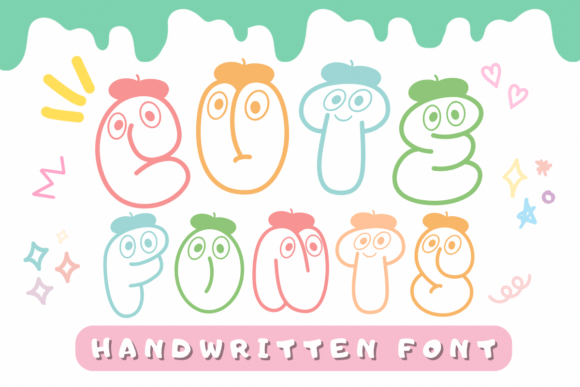
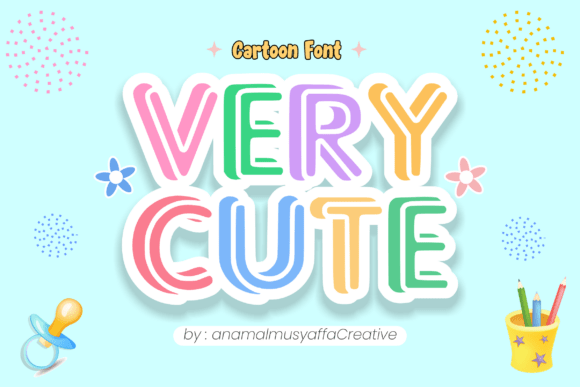
When you first encounter Very Cute, its personality is immediately clear. This is a contemporary display font designed with a distinct, joyful spirit. Its visual characteristics lean into rounded forms, gentle curves, and a handwritten feel that avoids looking overly childish or amateurish. The letterforms have a consistent, friendly weight, creating a sense of approachability. Unlike a rigid sans serif font or a formal serif font, Very Cute thrives on its imperfect, human touch. The slight variations in baseline and stroke add organic energy, making it feel handcrafted rather than mechanically produced. This quality is crucial—it positions the font as a creative tool for projects that need warmth and authenticity, not just another novelty typeface. It’s a premium font that understands its role: to inject delight without sacrificing clarity in short, impactful bursts.
Where This Creative Font Truly Shines
The real value of any design asset is measured by its application. Very Cute finds its sweet spot in projects targeting a youthful audience or those aiming for a whimsical, optimistic brand identity. Its strengths are most evident in specific, high-impact scenarios.
- Sublimation and Product Design: This is a natural home for the font. Think t-shirt graphics, custom tote bag slogans, and playful mug details. The font's clean curves ensure it transfers well onto physical products without losing legibility. For crafters and small business owners running a print-on-demand shop, it’s a versatile asset for creating standout merchandise.
- Digital Content and Social Media: In the fast-scroll world of social media graphics, a font needs to grab attention instantly. Very Cute works exceptionally well for Instagram story overlays, YouTube thumbnail text, and engaging post captions. Its lively style helps content creators and marketers cut through the noise with a friendly, approachable voice.
- Editorial and Branding Accents: While not suited for body copy, it excels as a supporting player. Use it for chapter titles in a children’s activity book, playful headers in a lifestyle blog, or as part of a logo design for a bakery, toy store, or creative studio. Paired with a clean sans serif for paragraphs, it establishes a clear visual hierarchy that guides the reader’s eye.
It’s also a compelling choice for animated text in simple explainer videos or whimsical comic titles, where its character can truly come alive. The key is context; Very Cute is a specialty tool for specific jobs within your broader design toolkit.
Practical Guidance for Using Very Cute Effectively
Adopting a new font requires more than just liking its look. To use Very Cute effectively and maintain professionalism, consider these practical steps.
Evaluate Project Fit and Readability
First, assess if the font’s personality aligns with your project’s goals. Ask: Is my audience receptive to a playful, informal tone? Does this project call for a handwritten font or a more neutral typeface? Very Cute is a poor choice for a legal document or a luxury brand’s primary logo, but it’s perfect for a kids' party invitation or a coffee shop’s daily special board. Always test readability at the actual size it will be used. Its charm works best for headlines, titles, and short phrases—never for long paragraphs.
Master Font Pairing
The most professional use of a display font like Very Cute is in combination with others. For a balanced design, pair it with a simple, geometric sans serif font for body text. This creates a pleasing contrast where the playful font provides energy and the neutral font ensures readability. For example, using Very Cute for a blog post title and a font like Open Sans or Lato for the article body creates a harmonious and functional layout. Avoid pairing it with other highly decorative or script fonts, as this leads to visual clutter and weakens your message.
Leverage Included Styles and Licensing
Check what the font package includes. Does it have alternate characters, ligatures, or multiple weights? These extras can add depth to your designs. More importantly, understand the commercial licensing. As a commercial font, ensure your license covers your intended use—whether for client work, merchandise for sale, or digital products. Respecting the license is part of professional practice and supports the designers who create these valuable assets.
Building a Cohesive and Engaging Brand Identity
When used strategically, Very Cute can do more than decorate; it can communicate. Consistent use of a distinctive font across your touchpoints—from packaging design to website headers to social media graphics—builds recognition. It signals that your brand is approachable, creative, and perhaps doesn’t take itself too seriously. This can be a powerful differentiator in crowded markets like children’s products, pet accessories, or artisanal goods.
However, brand perception is built on consistency. If you choose Very Cute for your primary headline font, use it consistently. Don’t switch between five different playful fonts. This discipline strengthens your brand identity and makes your communications instantly recognizable. The font becomes a visual shorthand for your brand’s friendly personality, fostering a deeper connection with your audience.
In the end, Very Cute is a testament to modern typography’s ability to carry specific emotional tones. It’s not just a collection of letters; it’s a design asset that can inspire creativity and infuse your projects with a much-needed dose of joy. Used with intention and paired wisely, it becomes a reliable tool in your creative arsenal, helping you connect with audiences who appreciate a little whimsy in their world. Your support through following and engaging with the creators fuels the development of more unique fonts like this, enriching the entire design community.