Oktober: The Sweet Handwritten Font for Elegant Design
In the world of design, the right typeface can feel like a secret handshake. It communicates a mood, sets a tone, and connects with an audience on an almost subconscious level. For projects that demand a blend of warmth, elegance, and casual charm, designers and creators are increasingly turning to fonts that feel personal and handcrafted. This is where a premium font like Oktober finds its sweet spot. It’s not just a collection of letters; it’s a tool for injecting personality and a human touch into digital and print landscapes often dominated by sterile, geometric forms.
Understanding the Visual Personality of Oktober
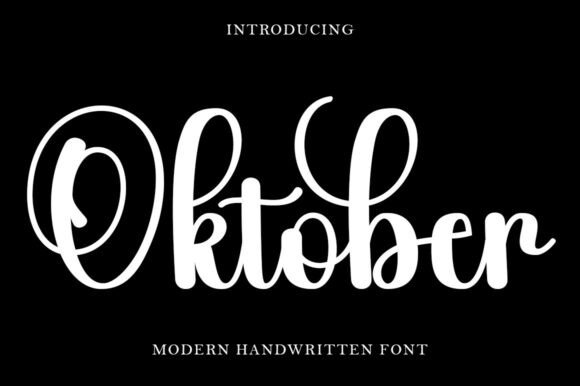
At its core, Oktober is a sweet and cursive handwritten font. Its design philosophy is rooted in softness and flow. The letterforms connect in a smooth, natural rhythm, mimicking the effortless grace of modern calligraphy. Unlike some script fonts that can feel overly formal or rigid, Oktober’s character is decidedly playful and romantic. The curves are gentle, the lines have a slight, organic variation in weight, and the overall aesthetic is one of approachable luxury.
This isn’t a font that shouts. It whispers. Its charm lies in its subtlety—it’s elegant without being stuffy, and casual without being sloppy. This balance makes it incredibly versatile. Think of it as the typographic equivalent of a beautifully handwritten note on quality stationery. It conveys thoughtfulness, care, and a distinct personal style, making it an invaluable asset for any creator’s toolkit.
Where Oktober Truly Shines: Real-World Applications
The true test of any creative font is how it performs in practical applications. Oktober’s strength is its ability to adapt across a surprising range of projects, always lending its signature touch of warmth and sophistication.
- Branding and Logo Design: For businesses that want to project an image of artisanal quality, boutique exclusivity, or heartfelt service, Oktober is a superb choice. A logo design using this typeface can instantly communicate that a brand is personal, creative, and attentive to detail. It’s particularly effective for businesses in the wellness, beauty, fashion, floral, and boutique hospitality spaces.
- Wedding and Event Stationery: This is a natural home for Oktober. Its romantic and elegant style makes it perfect for wedding invitations, save-the-dates, menus, and place cards. It sets a joyful and intimate tone from the very first moment a guest sees the invitation.
- Packaging and Label Design: Imagine Oktober on a label for artisan chocolates, handmade soaps, or a small-batch candle. The font elevates the product, suggesting a premium, crafted experience before the customer even tries it. It works beautifully for packaging design where shelf appeal and brand storytelling are critical.
- Marketing and Social Media: In the fast-scrolling world of social media, a handwritten font like Oktober can be a pattern-interrupt. It’s ideal for quote graphics, sale announcements, and header text on Instagram stories or Pinterest pins. It adds a human element that can make a brand’s social media presence feel more authentic and engaging. For email marketing, using it in headers or key phrases can break up text and draw the eye.
- Editorial and Publishing: While not suited for body text, Oktober excels in editorial design for pull quotes, chapter titles, or feature headers in magazines, lookbooks, and blogs. It can add a touch of personality to a cookbook or a lifestyle publication, making the content feel more personal and curated.
- Web Design and Digital Presence: Used judiciously in web design, Oktober can create beautiful contrast. Pairing it with a clean sans serif font for body text allows it to highlight key messages, calls-to-action, or navigation elements without sacrificing overall site readability. It adds a layer of visual interest and brand cohesion.
Practical Guidance for Using Oktober Effectively
Adopting a new font is more than just a download; it’s a strategic decision. Here’s how to ensure Oktober is the right fit and how to use it to its full potential.
Evaluating Fit and Testing Pairings
Before committing, consider the project’s core message. If the goal is to convey modern, sleek efficiency, a sans serif font might be better. If it’s about tradition and authority, a serif font could be the answer. Oktober is for projects that need a touch of humanity, warmth, and elegance.
One of the most important steps is mastering font pairing. Because Oktober is a display and script font, it should rarely be used for long paragraphs. Its personality is best showcased in headlines, logos, and short bursts of text. For body copy, pair it with a highly readable, neutral typeface. A simple, modern sans serif like Montserrat, Lato, or Open Sans creates a beautiful and functional contrast, allowing Oktober’s elegance to pop without overwhelming the reader. You can also pair it with a classic, light-weight serif for a more traditional yet still personal feel.
Technical Considerations and Licensing
When you acquire a premium font like Oktober, you’re investing in a professional design asset. Always review the included styles. Does it come with alternates, ligatures, or stylistic sets? These features can add variety and authenticity to your typography, allowing you to customize the look of certain letter combinations to avoid repetition.
Readability is paramount. Test Oktober at the size you intend to use it. While it’s designed to be legible, overly small sizes or complex backgrounds can hinder its performance. Always check its appearance in both digital (RGB) and print (CMYK) color modes to ensure it renders correctly.
Finally, understand the licensing. If you’re using it for a commercial project—whether for a client or your own business—ensure you have the appropriate commercial license. This protects both you and the font designer and is a standard practice in professional design. A legitimate license ensures you can use the font confidently in your brand identity system across all touchpoints.
Incorporating Oktober into your design work is about more than just choosing a pretty font. It’s a deliberate choice to add a layer of story, emotion, and connection. By understanding its personality and applying it thoughtfully, you can create designs that don’t just look good, but feel genuinely personal and memorable.