Ballerina: The Sweet & Cursive Handwritten Font
There is a specific challenge in design that requires a typeface to be both casual and luxurious at the same time. We often look for fonts that can bridge the gap between a personal, human touch and a polished, professional aesthetic. Ballerina is a premium font that achieves this balance beautifully. It is not merely a set of letters; it is a script font that carries a distinct personality—gentle, romantic, and undeniably joyful.
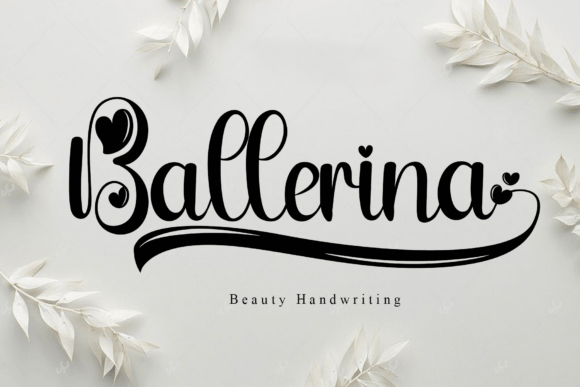
As a handwritten font, Ballerina captures the fluidity of natural handwriting but elevates it with a level of sophistication that standard casual scripts lack. The visual characteristics are defined by its sweet and cursive nature. The letterforms flow into one another with a rhythm that feels organic. Unlike rigid serif fonts or stoic sans serif fonts, Ballerina offers a sense of movement. This makes it an exceptional choice for projects where you want to evoke emotion rather than just convey information. It acts as a display font, meaning it is designed to catch the eye in headlines, logos, and branding elements rather than in long-form body text.
The Personality of the Typeface
Understanding the personality of a typeface is crucial for brand identity. When you choose Ballerina, you are selecting a voice that speaks of elegance without pretension. It fits perfectly within modern typography trends that favor authenticity and warmth. The strokes are soft, avoiding harsh geometric lines. This gives the font a welcoming vibe that appeals to a broad audience, particularly in lifestyle, beauty, and fashion sectors.
The appeal of Ballerina lies in its versatility within that specific "fancy but casual" niche. It does not look like a wedding invitation from 1990; it feels current. It fits for branding where the goal is to appear approachable yet high-end. For example, a boutique bakery or a high-end florist could use this font to suggest that their products are made with care and artistic flair.
Strategic Applications: Where Ballerina Shines
Choosing the right design assets involves matching the tool to the task. Ballerina is a creative font that excels in specific environments. Here are practical ways to integrate it into your projects:
- Logo Design: Because of its distinct curves, Ballerina works exceptionally well as a primary wordmark for lifestyle brands. It creates an immediate emotional connection with the viewer.
- Wedding Stationery: This is a natural fit. From save-the-dates to thank-you cards, the script font style adds a romantic touch that feels personal.
- Packaging Design: If you are designing labels for artisanal goods, Ballerina can highlight the handmade quality of the product. It suggests care and quality.
- Social Media Graphics: In a feed dominated by bold sans serif fonts, a cursive font like Ballerina can stop the scroll. It is perfect for quote graphics or promotional headers.
- Editorial Design: Use it for pull quotes or section headers in magazines or blogs to break up the monotony of standard body text.
Visual Hierarchy and Readability
One of the most common mistakes with script fonts is overuse. While Ballerina is gorgeous, it is a display font. This means readability drops significantly if you use it for paragraphs of text. You should never write your blog post body or product description in a handwritten style.
Instead, use Ballerina to create visual hierarchy. Use it for the H1 headline or the main call to action. Pair it with a clean, neutral sans serif font or a classic serif font for the supporting text. This contrast is a fundamental principle of modern typography. The fancy script draws the eye, while the clean font ensures the message is understood clearly. This pairing ensures your web design or print layout remains professional and easy to navigate.
Practical Guide to Implementation
If you are considering adding Ballerina to your toolkit, here is how to evaluate its fit and ensure success in your marketing promotion or creative work.
Evaluating Project Fit
Ask yourself: What is the primary emotion of this project? If the answer involves joy, romance, luxury, or whimsy, Ballerina is likely a strong candidate. If you are designing for a corporate law firm or a heavy industrial manufacturer, you should probably stick to structured sans serif fonts. However, for greeting cards, fashion lookbooks, or logo design for female-led businesses, it is an ideal match.
Testing Font Pairings
Good font pairing is about contrast in structure but harmony in style. Since Ballerina is high-contrast and curvy, pair it with something stable and geometric.
- The Modern Minimalist: Pair Ballerina with a light-weight, geometric sans serif (like Montserrat or Lato). This keeps the layout airy and modern.
- The Classic Elegant: Pair Ballerina with a transitional serif (like Garamond or Baskerville). This creates a timeless look suitable for editorial design.
Always test your pairings at different sizes. Ensure the x-height of the supporting font doesn't overpower the ascenders and descenders of the Ballerina script.
Commercial Considerations
Always verify the licensing. Since Ballerina is often distributed as a premium font, you need to ensure your license covers your specific usage. Are you using it for a client's logo? Do you need a web license for web design or an app license? Checking these details upfront protects you legally and ensures you can use the font consistently across all platforms, from print to digital.
Conclusion
Ballerina is more than just a handwritten font; it is a strategic design tool. It allows designers, entrepreneurs, and creators to inject personality into their work instantly. By using it thoughtfully—respecting its strengths as a display type and pairing it correctly—you can elevate your brand identity and create designs that resonate with your audience. Whether you are working on a wedding invite or a social media campaign, Ballerina offers that perfect touch of fancy elegance that remains approachable and fun.