Digittal: The Display Font for Modern Tech Brands
In the fast-paced world of technology and digital design, first impressions are often made in milliseconds. Whether it is a mobile app icon on a crowded screen or the hero section of a SaaS landing page, the typography you choose acts as the handshake between your brand and your audience. This is where Digittal enters the conversation. It is not just another set of characters; it is a sleek, geometric typeface designed specifically to capture the essence of digital advancement. For designers, entrepreneurs, and content creators looking to inject a futuristic vibe into their work, Digittal offers a distinct visual language that speaks of innovation and precision.
Visual Characteristics and Personality
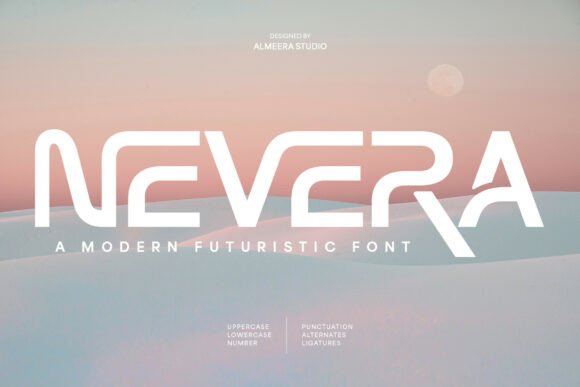
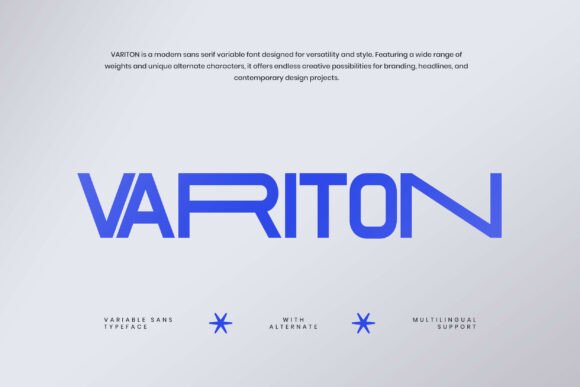
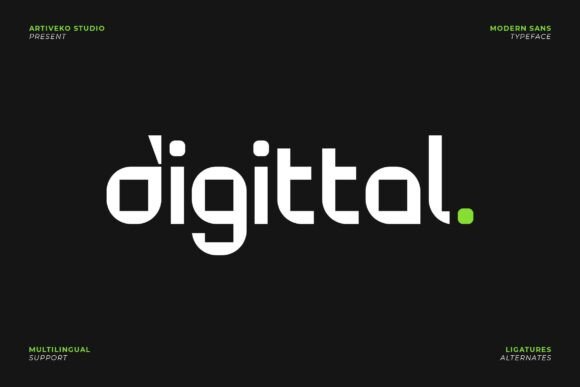
At its core, Digittal is defined by its geometric precision and sharp angles. Unlike the softer, more neutral sans serif font options found in standard system libraries, this typeface has a distinct architectural quality. The letterforms are constructed with clean lines and calculated curves, creating a rhythm that feels mechanical yet organic. It is a premium font that doesn't rely on excessive ornamentation; instead, its beauty lies in its structural integrity. The "personality" of Digittal is confident and forward-thinking. It avoids the playful whimsy of a handwritten font or the traditional authority of a heavy serif font. Instead, it occupies a space that feels modern, technical, and ready for the future.
The overall appeal of Digittal lies in its ability to command attention without shouting. It functions exceptionally well as a display font, meaning it shines brightest when used at larger sizes for headlines, logos, and titles. The sharpness of the edges gives it a high-definition look that pairs perfectly with the crisp resolutions of modern screens. When you look at Digittal, you see a typeface that understands the digital environment it was born into—it looks as natural on a 4K monitor as it does etched into the side of a server rack.
Strategic Applications: Where Digittal Fits Best
Understanding where to deploy a creative font like Digittal is just as important as the design itself. Its cutting-edge look makes it a natural fit for specific industries and project types. If you are working on logo design for a tech startup, a cybersecurity firm, or a fintech app, Digittal provides the necessary gravitas. It suggests that the brand is competent, modern, and reliable. Similarly, in the realm of UI/UX design, this typeface works wonderfully for splash screens, onboarding headers, and feature callouts where you need to guide the user's eye with clarity and style.
Beyond the tech sector, Digittal has versatile applications in the broader creative market. Consider the following uses:
- Gaming and Esports: The sharp angles and futuristic style are perfect for gaming titles, tournament overlays, and team branding.
- Editorial and Publishing: For magazines or blogs covering technology, science, or automotive topics, Digittal can be used for pull quotes and section headers to break the monotony of body text.
- Packaging Design: Products that want to convey a "smart" or "high-tech" benefit—such as gadgets, supplements, or modern beverages—can use this typeface to stand out on the shelf.
- Social Media Graphics: In the fast-scrolling environment of Instagram or LinkedIn, bold typography stops the thumb. Digittal ensures your message is legible and impactful even at smaller sizes in feed posts.
Font Pairing and Hierarchy
One of the most practical challenges in modern typography is finding the right partner for your headline font. Digittal is a strong personality, so it requires a balancing act to maintain readability and visual hierarchy. Because Digittal is geometric and angular, it pairs best with a neutral, clean sans serif font for body copy. Think of typefaces like Inter, Roboto, or Open Sans. These fonts are designed for legibility in long-form text and will not compete with the distinct character of your headers.
Avoid pairing Digittal with a highly stylized script font or an ornate serif font, as this can create visual clutter. The goal is contrast, not conflict. Let Digittal handle the "voice" of the brand in the headlines, while a quiet, professional typeface handles the information delivery in the paragraphs. This approach creates a seamless reading experience, guiding the user naturally from the attention-grabbing title to the informative body text. This is a fundamental aspect of web design and brand identity that ensures your message isn't just seen, but understood.
Evaluating Fit and Practical Considerations
Before integrating any new design assets into your workflow, a practical evaluation is necessary. Digittal is a specialized tool. If you are designing a wedding invitation or a bakery menu, this might not be the right choice. However, if your project requires a modern typography solution that feels sleek and professional, it is an excellent candidate.
When testing the font, pay close attention to kerning and tracking, especially if you are using it for all-caps logos. The geometric nature of the letters means that spacing is crucial for legibility. A tight fit might look cool for a logotype but could be unreadable in a sub-headline. Always test your font pairing in context—don't just look at the letters in isolation. Mock up a full landing page or a social media post to see how the typeface interacts with imagery, buttons, and white space.
Finally, ensure you are clear on the licensing. Digittal is a commercial font, meaning it is intended for professional use. Check the license details regarding the number of users or the specific types of projects (e.g., print vs. web vs. app embedding). Using a premium font correctly ensures you are building a brand identity