Cemiring: A Wave-Like Font for Captivating Designs
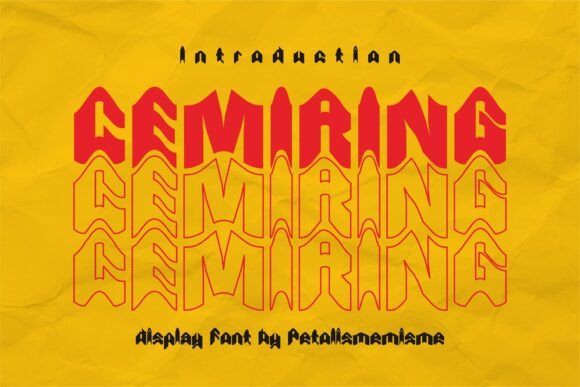
There’s a particular quality in design that stops a viewer mid-scroll. It’s not always about loud colors or complex graphics; sometimes, it’s the rhythm of the typography itself. This is the space where Cemiring operates. It’s a typeface that doesn’t just sit on a page—it moves. Imagine the gentle, repetitive motion of ocean waves meeting the shore; that’s the essence captured in its letterforms. For anyone crafting a visual message, from a social media post to product packaging, Cemiring offers a way to inject a distinct, organic pulse into your work.
This isn’t a font for dense body copy or legal disclaimers. Its personality is expressive, fluid, and unmistakably decorative. Each character features soft, undulating curves that create a sense of rhythm and flow. The terminals don’t just end; they taper and swirl with a natural elegance. The overall impression is one of approachable artistry, blending the warmth of a handwritten font with the clarity of a modern display font. It feels both personal and polished, a rare combination that makes it a versatile design asset.
Where Cemiring Truly Shines
Understanding a font’s strengths is key to using it effectively. Cemiring’s wave-like structure gives it a natural affinity for projects where mood and atmosphere are paramount. Its strength lies in creating focal points and evoking specific emotions rather than conveying straightforward information.
In brand identity, it can be a secret weapon for businesses that want to communicate creativity, calmness, or a connection to nature. Think of a boutique spa’s logo, a coastal café’s menu, or the branding for an artisanal soap company. The font immediately sets a tone. For packaging design, Cemiring can make a product stand out on a crowded shelf. Imagine it on a label for gourmet jams, organic teas, or handcrafted candles—it suggests care, quality, and a story behind the product.
The digital realm is another natural fit. Used in web design for hero sections, announcement banners, or pull quotes, it draws the eye and breaks the monotony of standard web fonts. For social media graphics, it’s invaluable. A quote overlay on an Instagram story, a podcast title card, or a sale announcement gains instant visual interest. Its rhythm is inherently engaging, making content more likely to be noticed and remembered.
For print and editorial design, Cemiring excels in contexts that call for a touch of elegance or whimsy. It’s perfect for magazine cover headlines, chapter titles in a lifestyle book, or invitations to a gallery opening. In personal projects, like crafting custom stationery, wedding invitations, or art prints, it adds a layer of sophistication and handcrafted appeal that generic fonts cannot match.
Making the Font Work for You
Choosing a premium font like Cemiring is an investment in your project’s visual language. To ensure it pays off, a thoughtful approach is necessary. The first step is always to test it in context. Don’t just look at the alphabet specimen; see how it handles the actual words and phrases you’ll be using. Does its flow complement your message or distract from it?
Readability is a critical consideration. At large sizes for headlines and logos, Cemiring’s details are clear and beautiful. However, its decorative nature means it would become a strain to read in long paragraphs or small body text. Its role is that of a supporting actor that steals a scene, not the lead in a marathon. Use it for short, impactful statements where its character can be fully appreciated without taxing the reader.
A crucial skill in modern typography is font pairing. Cemiring’s expressive style demands a stable, neutral partner. Pairing it with a clean, geometric sans serif font for body text creates a beautiful contrast, allowing the headline font to shine without overwhelming the design. Alternatively, pairing it with a simple, classic serif font can yield a more traditional, elegant feel. The goal is balance: let Cemiring provide the personality and the paired font provide the readability.
Before finalizing your choice, review the font package thoroughly. Does it include multiple weights or stylistic alternates? These features can greatly expand its utility, allowing you to fine-tune the look for different applications. Finally, always verify the licensing. A commercial font license ensures you can legally use Cemiring in client work, products for sale, and across all your marketing materials, protecting both you and your clients.
The Art of Selective Application
The true art of using a creative font like Cemiring lies in restraint. Its power is diluted if overused. Think of it as a spice in a recipe—the right amount elevates the dish, but too much overpowers everything else. A single, well-placed headline in Cemiring can anchor an entire design, giving it a cohesive and intentional feel.
Consider its effect on visual hierarchy. By reserving Cemiring for your most important call-to-action or main title, you create a clear, unspoken guide for the viewer’s eye. It naturally becomes the most memorable element, which is exactly what you want for a logo, a product name, or a key promotional message. This selective use also reinforces brand consistency. When a audience sees that distinctive wave-like lettering, they’ll begin to associate it with your brand’s unique aesthetic, building recognition over time.
Ultimately, Cemiring is more than just a collection of glyphs. It’s a tool for storytelling. Its curves can suggest motion, growth, creativity, or tranquility, depending on the context and colors you choose. For the designer, entrepreneur, or crafter, it offers a way to move beyond the ordinary and create work that feels alive, intentional, and deeply engaging. It’s a typeface that doesn’t just display words—it breathes life into them.